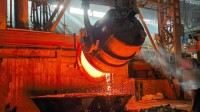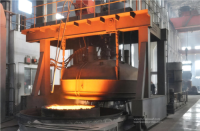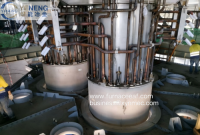
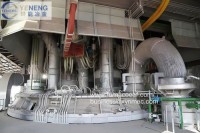
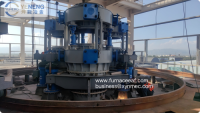
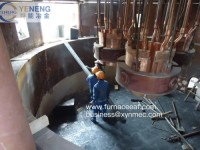
The Submerged Arc Furnace (SAF) is the core smelting unit in ferroalloy plants, forming the central stage of the ore preparation – SAF smelting – casting or crushing production route. It is specifically designed for high-temperature reduction reactions and directly determines alloy yield, power consumption, and production stability.
Yeneng Submerged Arc Furnaces are widely applied for the production of:
Silicon Manganese (SiMn)
Ferro Manganese (FeMn)
Ferro Silicon (FeSi)
Ferro Chrome (FeCr)
Ferro Nickel (FeNi)
Silicon Metal
These alloys are essential raw materials for carbon steel, stainless steel, alloy steel, and special steel production, as well as for chemical and metallurgical industries.
III. Technical Features:
Submerged Electrode Operation
Deep electrode penetration ensures stable arc behavior, uniform heat distribution, and efficient reduction reactions within the furnace burden.
Robust Furnace Structure
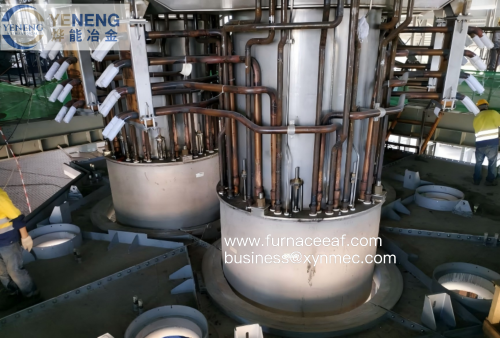
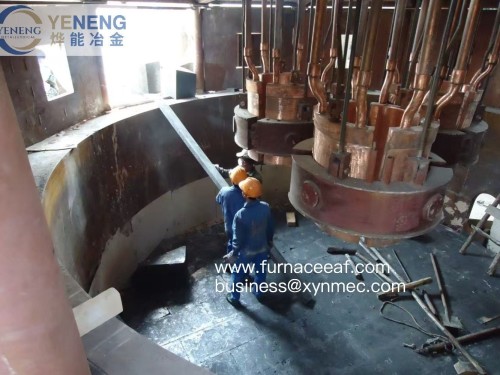
The furnace adopts a heavy-duty steel shell with high-quality refractory lining and selective water-cooled components, ensuring long campaign life under continuous high-temperature operation.
Flexible Furnace Configuration
Open, semi-closed, or closed furnace designs can be provided according to alloy type, raw material characteristics, and environmental requirements.
Stable Electrical System
The furnace is equipped with a high-capacity transformer, reliable electrode regulation system, and optimized short network, ensuring stable power input and low electrical losses.
Efficient Off-Gas Collection
Closed and semi-closed designs enable effective off-gas capture and dust collection, supporting environmental compliance and optional energy recovery.
Automation & Process Control
PLC-based control systems allow real-time monitoring of electrical parameters, electrode position, and furnace operation, improving process stability and operational safety.

IV. Main Components of Submerged Arc Furnace
Yeneng SAF supply typically includes:
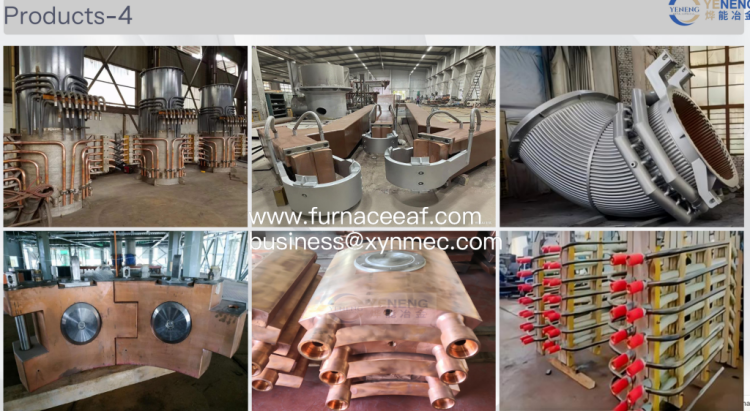
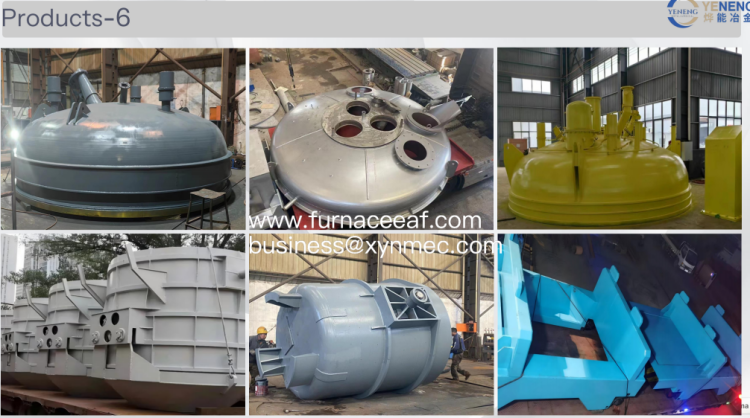
Furnace shell, hearth, and refractory lining system
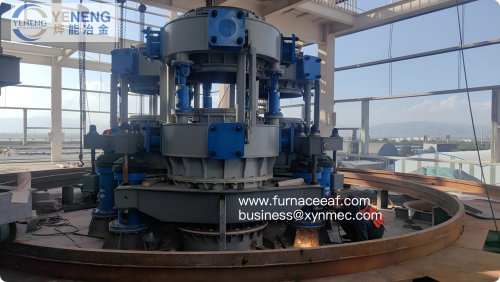
Graphite electrode columns and electrode regulation system
Furnace transformer and electrical system interface
Short network and current-carrying components
Furnace roof and off-gas collection system
Level 1 automation and control system
The supply scope can be customized based on project scale, alloy type, and existing plant conditions.
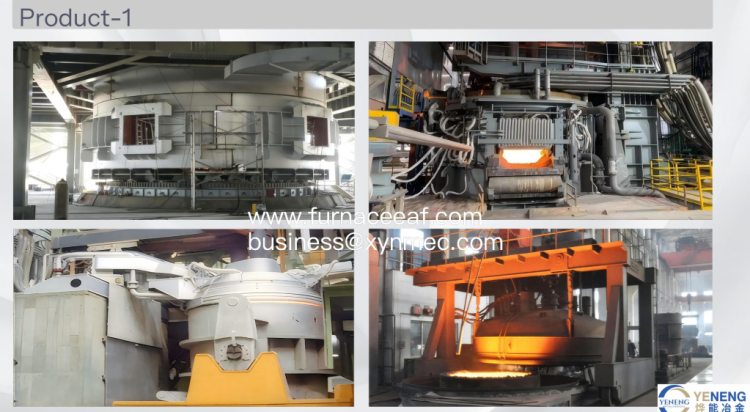
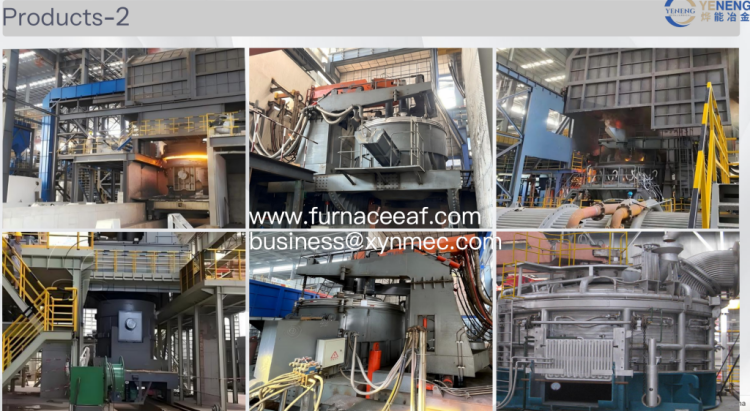
V. Advantages of Yeneng’s Submerged Arc Furnace (SAF)
High alloy recovery rate and stable product quality
Low specific power consumption per ton of alloy
Long furnace campaign life and reduced downtime
Strong adaptability to local ores and reducing agents
Reliable operation for continuous, large-scale production
VI. Why Choose Yeneng Submerged Arc Furnace
Xi’an Yeneng Metallurgical Engineering Co., Ltd. provides process-driven Submerged Arc Furnace solutions for ferroalloy producers worldwide. Our SAF systems are engineered with a deep understanding of reduction metallurgy, raw material behavior, and long-term operational reliability.
Beyond equipment supply, we offer EPC services, commissioning support, process optimization, spare parts supply, and furnace upgrading, helping customers achieve stable production, lower operating costs, and sustainable long-term performance—particularly suitable for fast-growing ferroalloy markets in the Middle East and Southeast Asia.
Auxiliary Equipment & Spare Parts